
Should You Work from Home on a Snow Day?
Should you work from home on a snow day, or just call it a cozy break? Imagine this, you wake up, peek outside, and the world is covered in snow. Roads are icy, your car’s frozen shut, but your boss still expects emails. Sound familiar? With more people working remotely in 2025, snow days now feel different.

You might think staying home means rest, but not everyone gets to unplug. In this post, we’ll explore what really makes sense: working through the storm, or logging off and letting it snow. Either way, the choice affects your safety, mental health, and even productivity, just like how office schedules shift on snow days.
What a Snow Day Really Means Now
A snow day used to mean freedom, no school, no work, just hot cocoa and cartoons. But today, with remote work and laptops everywhere, snow days don’t always feel like a break. Things have changed.
Working from home is now common, even during storms. In fact, many people ask if schools or offices will actually close or just switch to Zoom. While kids might get e-learning assignments, adults face meetings from the couch. That’s why it’s important to understand how a snow day works in a remote world.
People living in snow-heavy cities often have backup plans ready. For them, a snow day doesn’t stop life, it just shifts it indoors with Wi-Fi.
What Does a Snow Day Mean for Adults in 2025?
Now, a snow day means juggling work and snow shovels at the same time. You’re still expected to reply to emails, even if your fingers are half-frozen. Many companies assume you’ll stay online unless there’s a power cut.
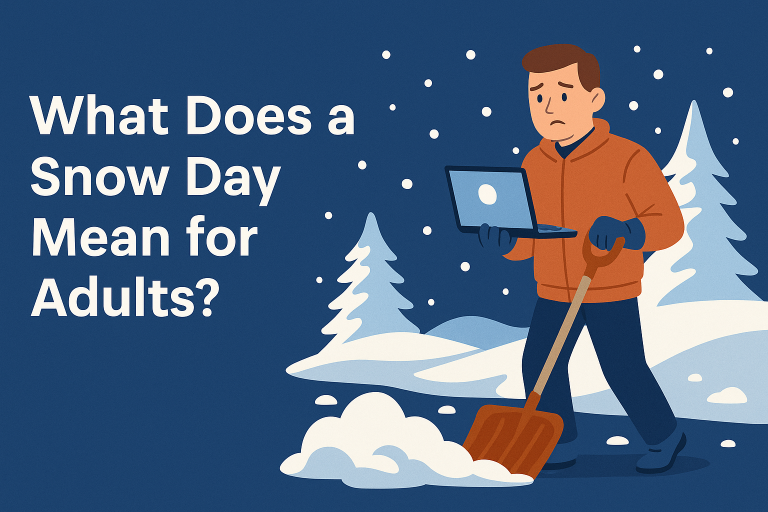
This shift makes it hard to relax like we used to. Remote work trends have changed how we experience bad weather. And honestly, sometimes it feels like the snow never gives you a real excuse anymore.
How Remote Work Has Changed the Way We Handle Snow Days
Before, offices would shut down and you’d get the day off. Now? You’re logging into meetings in your pajamas. While tech tools help, they also remove the old-school joy of unexpected free time.
Snow day calculators can predict if schools close, but adults are mostly left guessing if work is still “on.” Working from home has made snow days less exciting and more… scheduled.
Should You Work from Home on a Snow Day or Take the Day Off?
This is the big question. Should you hustle from home, or should you let the snow win and take a break? The answer depends on how prepared you are, how bad the weather is, and how your body and brain are feeling.
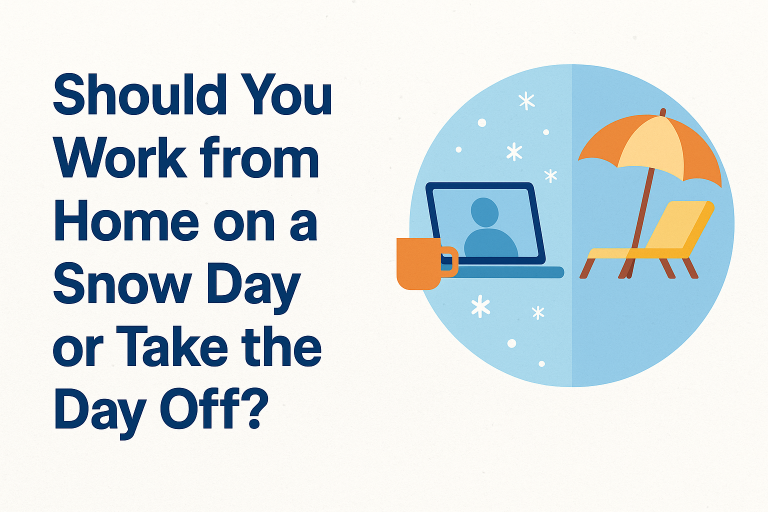
Some people push through with coffee and Zoom, while others need rest. In places where snow is common, people plan ahead for work-from-home snow days. But sometimes, even with plans, it’s okay to just pause.
When Is It Smart to Work From Home?
If your power and Wi-Fi are stable, and your brain feels sharp, working from home can be a good choice. You stay safe, skip the icy roads, and get things done without changing out of your fuzzy socks.
Even during tough weather, some office teams adjust their schedules so everyone can work flexibly. Just make sure you’re not sacrificing your mental energy.
When Should You Just Take the Day Off?
If the storm is wild, kids are bouncing around, and your internet keeps blinking, maybe it’s time to tap out. Also, your health matters. If you’re anxious, tired, or burned out, it’s okay to not be a snow-day superhero.
Many snow day stories online show how people use these moments to recharge. You’re not being lazy, you’re being human.
Pros and Cons of Working from Home on a Snow Day
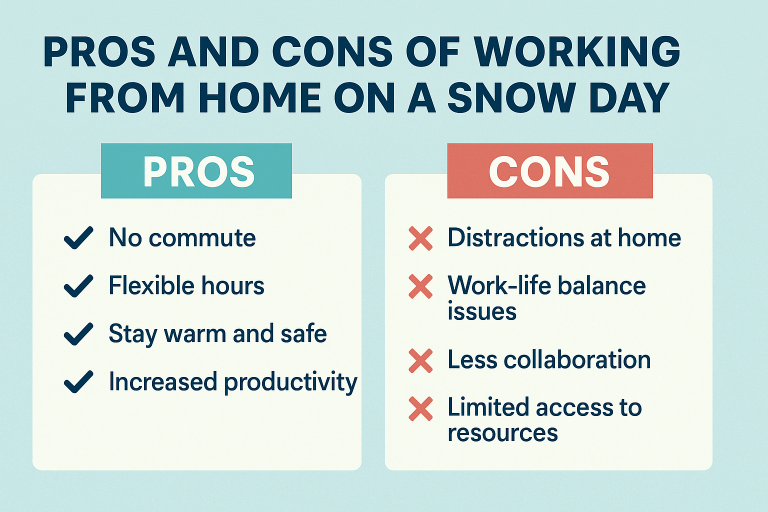
Working from home during a snow day has both wins and fails. It might sound great, but there are tricky parts too. Let’s break it down simply, what helps, and what hurts.
Pros
- No dangerous commute through icy streets
- More time with pets, warm blankets, and hot drinks
- You stay on track with work without losing momentum
- E-learning schedules make it easier to plan your day if you have kids at home
Cons
- Loud home, busy kids, and constant distractions
- Possible power or internet issues ruining your workflow
- It’s harder to draw the line between “home” and “office”
- Feeling guilty for resting when you’re “technically online”
How Employers Handle Snow Day Policies
Every boss has a different way of dealing with snow days. Some are chill and say, “Stay home, stay warm.” Others expect full work, even if your Wi-Fi’s gasping for breath. That’s why knowing your company’s snow day policy matters.

In places where snow hits hard, employers often create flexible remote plans. But in other places, people are left wondering, “Do I log in, or dig out my driveway first?” You should always ask your HR or manager what their snow day rulebook says, before the snow shows up.
Sample Remote Work Guidelines from Real Companies
Big companies like Google and Apple usually allow remote work during storms, especially if it keeps workers safe. But smaller businesses may expect people to “make up hours later” or use a vacation day.
Sometimes teams use automated alerts to decide whether they’ll work remotely or not. One employee shared, “If our kids’ school closes, we automatically switch to WFH mode.” Smart, right?
Paid vs Unpaid Snow Days: Know Your Rights
If you’re salaried, you’ll likely get paid no matter what. But hourly workers might need to use paid time off (PTO) or miss pay altogether. That’s tough when the snow hits out of nowhere.
More workers are now asking for clear snow day policies during job interviews. It’s becoming a serious topic, because who wants to risk a paycheck over slippery sidewalks?
How HR Can Set Clear Snow Day Expectations
HR teams should stop being mysterious about this stuff. A simple message that says “Yes, log in if you can. No pressure if you can’t.” can ease everyone’s mind.
Plus, companies in snow-prone zones often include emergency work-from-home plans in their employee handbooks. That way, no one’s left guessing when the snow hits hard.
Productivity Tips for a Work-from-Home Snow Day
When the snow outside is wild and the power’s flickering, staying productive feels like chasing your shadow. But with the right setup and mindset, you can get stuff done, even while wearing fuzzy socks and sipping cocoa.
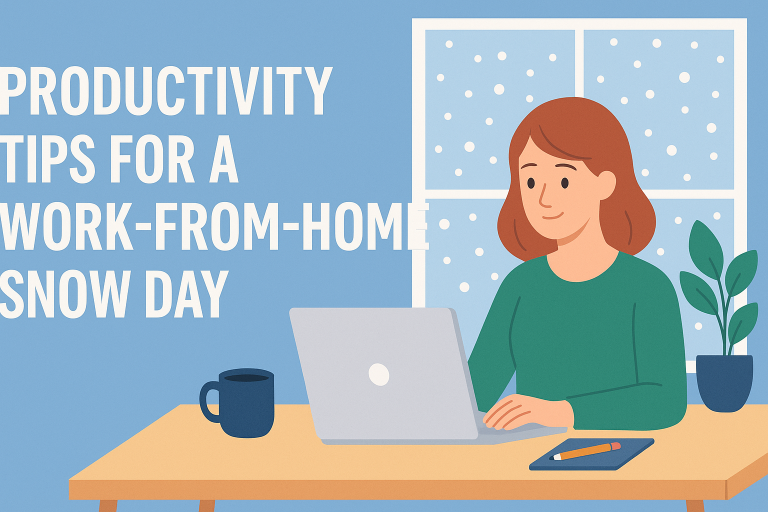
People who plan ahead and build snow-proof routines stay calmer, and yes, more productive.
Backup Internet, Power, and Essential Tech
Start with the basics. Use a power backup (UPS), keep devices charged, and set up a mobile hotspot in case your Wi-Fi turns into a snowman.
Living in snow-prone areas like Buffalo or Duluth? Then this gear isn’t optional, it’s essential.
Productivity Tools for Focus and Communication
Tools like Notion, Zoom, Slack, and calendar blockers help you stay on track even during chaos. Use them smartly, don’t just open 10 tabs and panic.
If your workplace already uses e-learning platforms or cloud tools, copy their system. It works great for adults too.
Workspace Setup Tips for Cold Weather Comfor
Don’t underestimate the power of comfort. A warm blanket, a clear desk, and a steady chair can change the game.
People who work from home during storms often say it’s easier when your space feels cozy and calm. So light a candle, sip something warm, and make your room a mini snow-safe office.
What the Internet Thinks About Snow Day Remote Work
People love to talk about snow days online. Some say it’s peaceful. Others say it’s a stress-fest. From Reddit rants to Quora questions, there’s a lot of noise, and some nuggets of wisdom.

These online voices show how snow days aren’t just weather events. They’re a mix of expectations, emotions, and real-life chaos.
Reddit Users on Whether They Work During Snow Days
One Redditor wrote, “Our power was out, and my boss still expected me on Zoom. I had to tether from my phone and sit in a coat.” Yikes.
Threads in snow-heavy states like Minnesota and New York are full of survival tips and rants about unrealistic bosses.
Common Questions on Quora and Public Forums
Quora has endless questions like “Can I say no to work on a snow day?” or “Is remote work during storms even legal?” The answers? It depends on your contract and company culture.
People also ask if snow day policies should include mental health days. The idea is growing, and it makes sense.
What Social Media Reveals About Snow Day Culture
On X (Twitter), snow day memes are everywhere. Some joke about bringing laptops into bathtubs just to stay online. Others show kids crashing meetings or dogs wearing ties on Zoom.
Behind the laughs is real pressure. That’s why snow day productivity talk is blowing up online. People want balance, not burnout.
Mental Health on a Snow Day: Work, Rest, or Blend Both?
Some snow days feel peaceful. Others feel like pressure cookers. You’re stuck inside, kids are yelling, emails are piling up, and your brain just wants a break. This is where mental health matters more than deadlines.
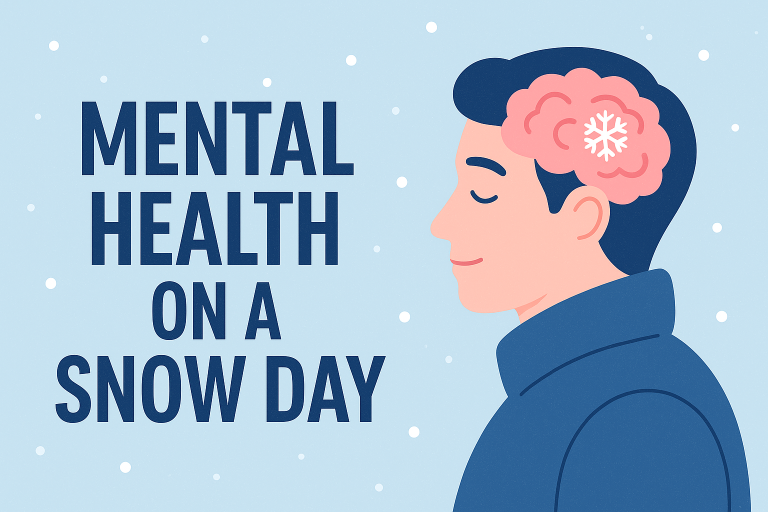
Not every snow day has to be 100% work. In fact, many people say snow days bring unexpected stress instead of calm. It’s okay to check in with yourself and say, “Nope, not today.”
When Is It Okay to Log Off Completely?
You don’t need to “earn” rest. If the snowstorm knocked out your power, or your body is dragging, it’s okay to stop. Productivity isn’t just doing tasks, it’s knowing when not to.
Even people with structured remote jobs take breaks when things get rough. So close that laptop. Sip something warm. And breathe.
Signs You Need a Break vs Just an Excuse
There’s a difference between being lazy and being burned out. If your brain feels like mush, or you’re on edge for no reason, it’s probably not “just snow.”
Working non-stop from home isn’t normal, or healthy. Your energy is a battery. Let it charge.
What If Your Employer Doesn’t Allow It?
Sometimes, companies expect too much. If your boss insists on full hours during a storm, you can still speak up. Say what you can do, not what you can’t.
And in areas where snow shuts down cities, many teams already expect slower days. Just be honest and protect your peace.
FAQs About Working on a Snow Day
There are questions people Google every winter, and still don’t get clear answers. That’s why we’re answering them in plain words. Snow days should be less confusing, more human.
Can I Refuse to Work on a Snow Day?
It depends. If your role is remote, your boss might expect you to work, even if it’s storming outside. But if your area is in crisis mode, most companies offer leniency.
In places where snow days are frequent, companies often update their policies to match the weather.
Are Snow Days Still a Thing with Remote Work?
Yes, and no. For kids? Still a thing. For adults? It depends on your job. With more teams online, snow days often turn into Zoom days, not breaks.
But some employers now offer snow-flex hours so you can manage home chaos and work, without losing your mind.
How to Stay Productive on a Snow Day?
Simple: Prep your space, block your time, and stay kind to yourself. Use a space heater, close unnecessary tabs, and keep snacks nearby.
People in snow day regions say routines save the day, so make a flexible one that fits the weather.
Final Thoughts: Use the Snow Day Wisely
Snow days aren’t just about snow. They’re about safety, sanity, and sometimes soup. You don’t have to power through like a robot just to feel “useful.”
If you’re able to work, go for it. But if your brain says “slow down,” listen. Because at the end of the day, the snow melts, but burnout doesn’t.
And honestly, even the most accurate snow day predictions won’t matter if you don’t feel right. Choose wisely. Work smart. Or rest smarter.


